


AWC ECONOMY DESK
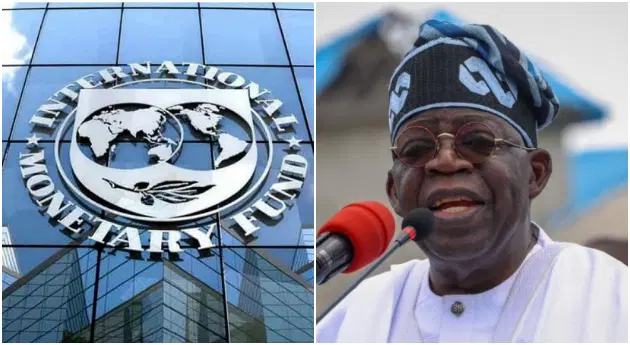
Abuja, Nigeria – A wave of public debate has emerged following online discussions alleging the existence of a massive ₦8.8 trillion in unclassified or extrabudgetary fiscal activity, with some commentaries controversially linking the International Monetary Fund (IMF) to what is being described in public discourse as a “whistleblowing moment.”
The IMF position is that this money did not pass through the channel of appropriation. The story has gained traction in public commentary spaces, reflecting growing sensitivity around fiscal transparency, budget implementation, and accountability in public expenditure management.
Concerns Over Fiscal Opacity
Analysts and commentators who have engaged with the discussion argue that Nigeria’s public finance system continues to face perception challenges, particularly around:
- Off-budget spending frameworks
- Weak reconciliation between appropriations and actual expenditure
- Limited public visibility of certain executive-managed financial operations
While these concerns are not new, the scale of the alleged figure circulating online has intensified debate around the need for stronger institutional checks and clearer budget tracking mechanisms.
Fake Figures Narrative Sparks Controversy
In some online discussions, critics have used highly emotive language, describing the alleged expenditure as a “fake fiscal entry” or comparing it to what they term “non-existent or phantom administrative structures (fake agency).”
Economists, however, caution that such framing risks oversimplifying complex public finance processes, noting that discrepancies between appropriation and expenditure reporting often arise from timing differences, supplementary budgets, security funding structures, or reconciliation lags.
IMF’s Real Position on Nigeria
The IMF has, in its official engagements with Nigeria over time, consistently emphasized:
- The need for greater fiscal transparency
- Improved public financial management systems
- Stronger budget credibility and reporting discipline
- Expansion of revenue mobilisation reforms
Impact on Investment Confidence
Financial experts warn that sustained negative narratives around fiscal allegations could have broader consequences for Nigeria’s economy, including:
- Reduced foreign investor confidence
- Increased risk perception in sovereign lending markets
- Hesitation among multinational firms considering expansion into Nigeria
- Reputational pressure on private sector actors operating internationally
Appeal for Caution and Institutional Clarity
Stakeholders are calling on government institutions to respond with greater transparency and timely publication of fiscal data to prevent misinformation from shaping national and international perception.
There is also a growing appeal for the Presidency and relevant economic agencies to continue strengthening:
- Budget disclosure systems
- Real-time expenditure tracking
- Independent audit communication
- Public trust in fiscal governance
Conclusion
While the alleged “₦8.8 trillion IMF whistleblower narrative” is being analyzed, the debate it has generated reflects a deeper national concern: the need for greater clarity, accountability, and trust in Nigeria’s fiscal management system.
Ultimately, analysts warn that in an increasingly interconnected global economy, reports can impact on policy, and maintaining credibility may be as important as the numbers themselves.


