


AWC SECURITY & DEFENSE DESK
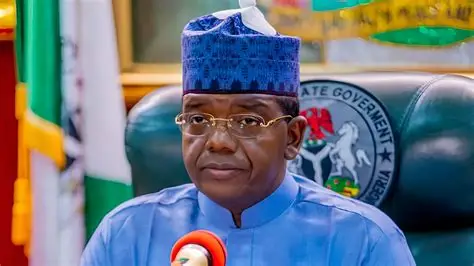
Nigeria’s worsening security challenges have once again sparked public debate following remarks attributed to the Minister of State for Defence, Hon. Bello Mohammed Matawalle, suggesting that only God can ultimately solve the country’s security problems. While the statement may have been intended as an expression of faith and humility in the face of a complex national crisis, it has nevertheless raised important questions about governance, responsibility, and the role of public institutions in addressing insecurity.
For many Nigerians, the comment touches a sensitive nerve. Across various parts of the country, citizens continue to grapple with terrorism, banditry, kidnapping, communal conflicts, armed robbery, and other forms of violent crime. Families have been displaced, businesses disrupted, and communities devastated by persistent security threats. In such circumstances, citizens naturally expect reassurance not only through words of faith but also through concrete plans, measurable actions, and visible results from those entrusted with safeguarding the nation.
Faith has always played a significant role in Nigerian society. In times of uncertainty, many citizens turn to God for protection, comfort, and hope. Political leaders often invoke divine guidance in recognition of the enormous challenges confronting the nation. However, governance is ultimately judged by policies, strategies, and outcomes. While prayer may inspire resilience, citizens also expect government officials to deploy the resources, intelligence, personnel, and institutional capacity available to the state in order to confront security threats effectively.
The Defence Ministry occupies a critical position within Nigeria’s national security architecture. Alongside the Armed Forces, intelligence agencies, police formations, and other security institutions, it is responsible for formulating defence policies, coordinating military operations, strengthening national security frameworks, and ensuring that security agencies are adequately equipped to respond to emerging threats. Consequently, when a senior official suggests that only divine intervention can solve the problem, some citizens interpret it as an admission that existing strategies may not be delivering the desired results.
Critics argue that while security challenges are undeniably complex and multifaceted, public officials must project confidence, leadership, and a clear sense of direction. Citizens want to hear about operational successes, technological improvements, intelligence-driven strategies, enhanced inter-agency cooperation, and long-term plans aimed at restoring peace and stability. They seek assurances that government institutions remain capable of fulfilling their constitutional responsibilities.
Supporters of the minister, however, may contend that the statement should not be taken literally as a surrender of responsibility. Rather, they may interpret it as a recognition that certain national challenges require both human effort and divine assistance. Throughout history, leaders across different cultures and religions have often acknowledged the role of faith while simultaneously pursuing practical solutions to pressing societal problems.
Nevertheless, the broader concern remains valid. Nigerians are increasingly demanding greater accountability from public office holders. In a democratic society, leaders are expected to provide not only hope but also evidence of progress. Citizens want transparency regarding security spending, clear communication about government strategies, and regular assessments of what is working and what needs improvement.
The debate generated by the minister’s remarks highlights a larger national conversation about leadership and governance. At a time when insecurity remains one of the country’s most pressing challenges, Nigerians are looking beyond rhetoric toward tangible outcomes. They want safer roads, secure communities, effective intelligence gathering, rapid response capabilities, and a justice system capable of deterring criminal activity.
Ultimately, faith and governance need not be mutually exclusive. A nation can pray for peace while simultaneously investing in intelligence, technology, military readiness, community engagement, and institutional reforms. The expectation of citizens is straightforward: while they continue to pray for divine protection, they also expect those entrusted with public office to discharge their duties with competence, urgency, and accountability.
The central question therefore remains: if only God can solve Nigeria’s security challenges, what then is the role of the institutions established and funded to protect the nation? For many Nigerians, the answer is clear. Prayer is important, but action is indispensable. The country needs both faith and effective leadership to overcome its security challenges and secure a safer future for all.


