


AWC BUSINESS AND ECONOMY
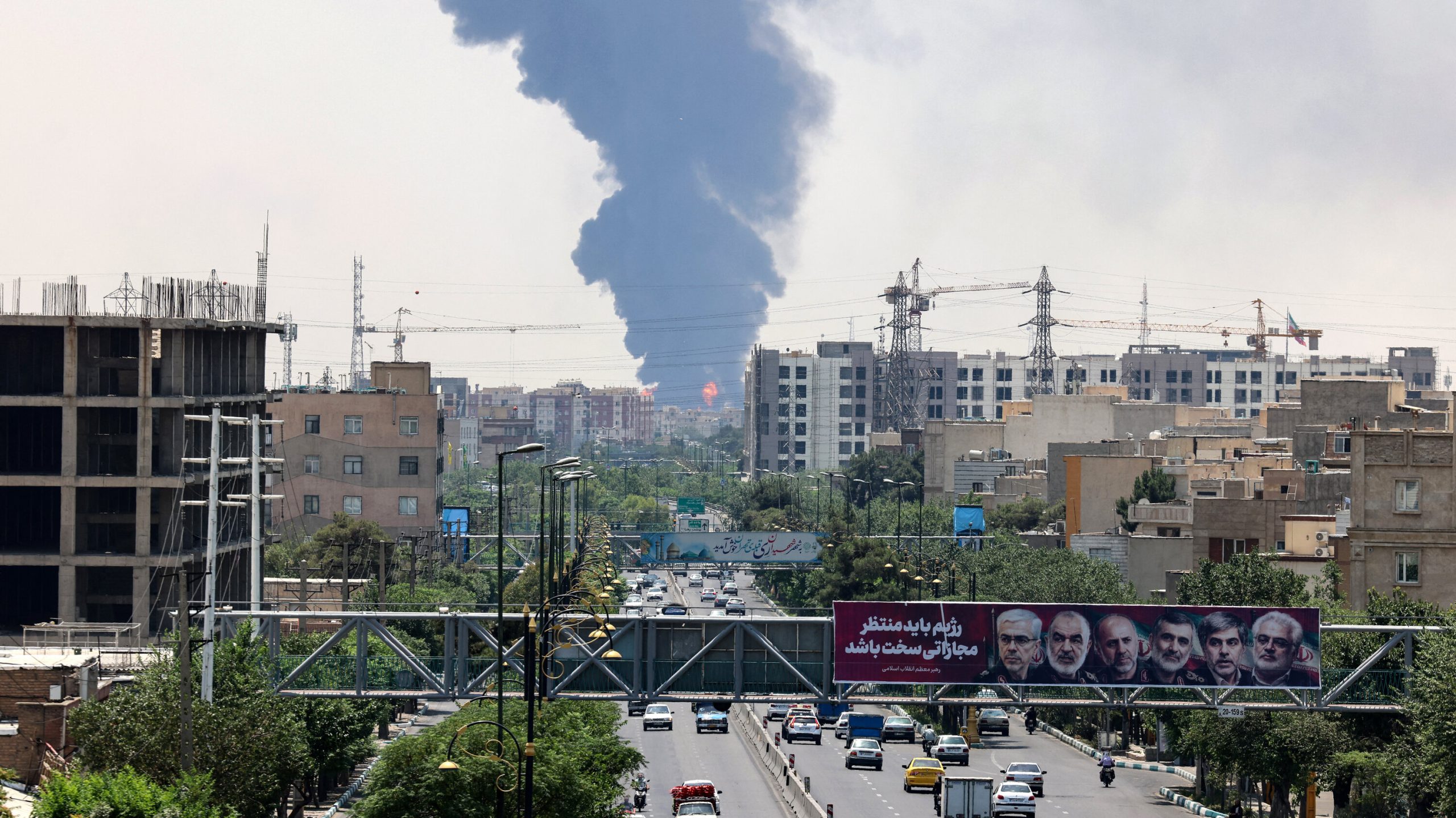
Global crude oil prices recorded a sharp decline during the week, falling by 9.83 percent to close at US$79.02 per barrel, as investors responded positively to emerging signs of de-escalation in Middle East tensions and growing expectations surrounding the recently announced Memorandum of Understanding (MoU) aimed at easing regional hostilities.
The decline was further supported by optimism over the potential reopening and normalization of key international shipping routes, leading market participants to scale back the short-term geopolitical risk premium that had previously driven oil prices higher.
For weeks, concerns over possible disruptions to global energy supplies, particularly through the strategically important Strait of Hormuz, had kept oil markets on edge. The waterway remains one of the world’s most critical energy transit corridors, handling a substantial portion of global crude oil exports. Any threat to its security typically triggers immediate reactions in energy markets and increases price volatility.
However, despite the recent price correction, analysts caution against concluding that the geopolitical risks facing global oil markets have been completely resolved.
The current decline largely reflects market expectations that tensions may ease in the near term rather than a definitive resolution of the underlying issues. The successful implementation of the MoU, the potential unfreezing of Iranian assets, future negotiations on sanctions, and broader diplomatic developments involving regional and global powers remain key factors that could significantly influence oil prices in the coming weeks and months.
Should diplomatic efforts stall or security concerns resurface, the geopolitical risk premium currently being priced out of the market could quickly return, potentially pushing crude prices upward once again.
Nonetheless, the moderation in oil prices has improved overall investor sentiment across global financial markets. Reduced concerns over supply disruptions have encouraged investors to reassess risk positions, leading to renewed optimism in several emerging and frontier markets.
In Nigeria, where investor confidence had been weakened by recent market corrections, the easing of geopolitical concerns may provide a catalyst for renewed buying interest. With the Nigerian Exchange (NGX) having experienced a significant pullback in recent weeks, market analysts believe conditions are increasingly favorable for a technical rebound as bargain hunters re-enter the market.
While caution remains necessary given the fluid geopolitical environment, the combination of lower oil market anxiety, improving risk appetite, and attractive equity valuations could support a short-term recovery in Nigerian equities and other risk assets.
Going forward, investors will closely monitor developments in the Middle East, global energy demand trends, OPEC+ production decisions, and broader macroeconomic indicators to determine whether the recent improvement in market sentiment can be sustained.


