


AWC CURRENT AFFAIRS DESK, AUGUST 2026
The Federal Government has approved tax waivers for nearly 4,000 electric vehicles imported into Nigeria during the first half of 2026, signalling a fresh push to accelerate the country’s transition towards cleaner transportation.
The approvals represent the first batch processed under a new government initiative designed to encourage electric-vehicle adoption through tax incentives and local vehicle assembly programmes, according to government data reviewed by Reuters.
The policy is part of Nigeria’s broader effort to reduce dependence on petrol and diesel-powered transportation and expand the use of cleaner energy technologies.
Nigeria’s 2022 Energy Transition Plan targets electric vehicles accounting for as much as 60 per cent of the country’s vehicle fleet by 2050. However, electric vehicles currently make up less than one per cent of the nation’s vehicle fleet, according to industry estimates cited by Reuters.
The Federal Government has already taken other fiscal steps to make EVs more competitive. Electric vehicles were exempted from Value Added Tax in 2024, while import duties on EVs were reduced to zero this year from five per cent.
But the emerging electric-mobility market faces a major obstacle: Nigeria’s unreliable electricity supply and limited charging infrastructure.
Reuters reports that Nigeria’s national grid supplies roughly 4,000 megawatts for a population of more than 200 million people, forcing many businesses and households to depend on petrol and diesel generators.
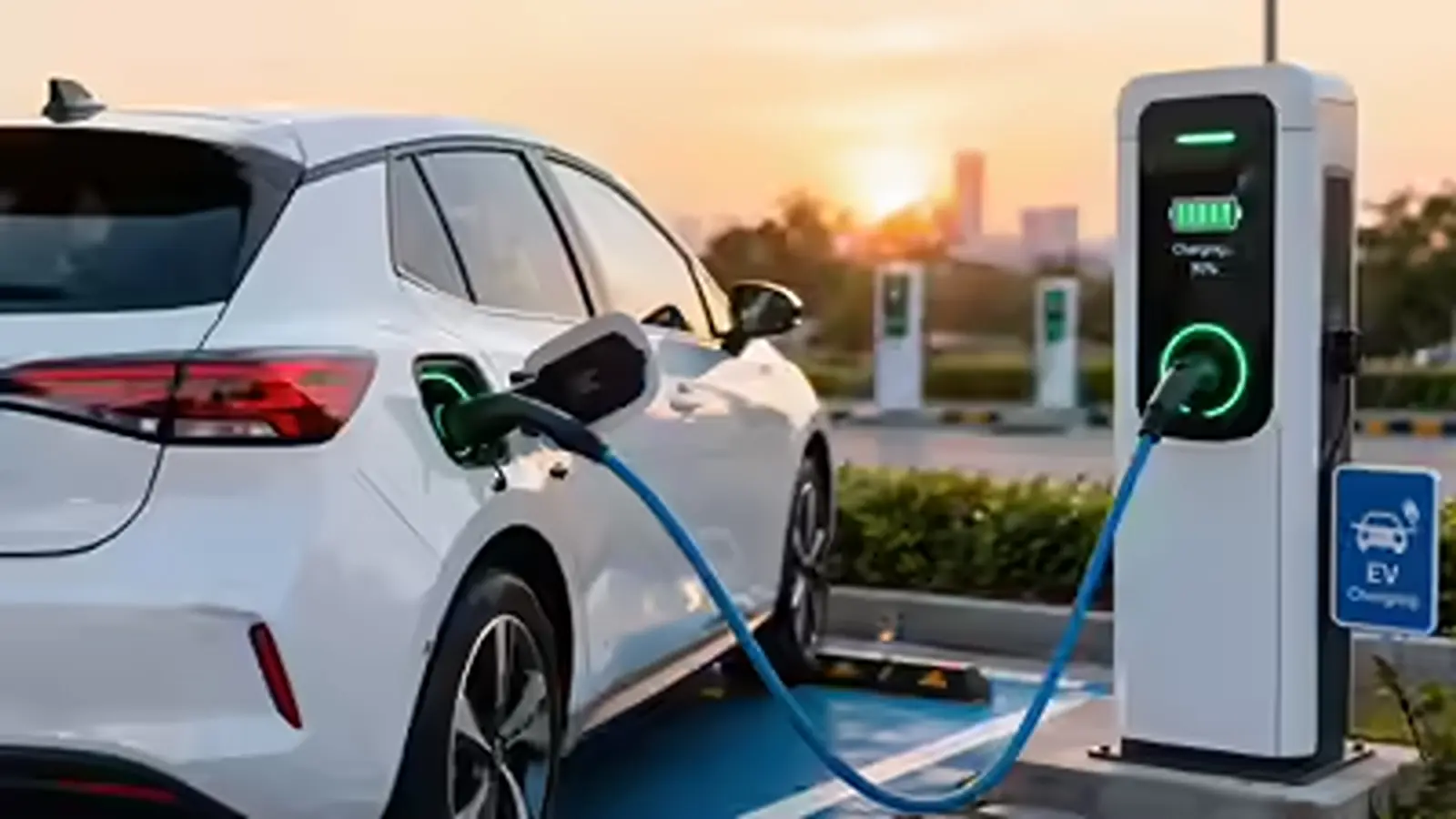
The problem is already affecting the EV ecosystem, with some charging stations, dealerships and battery-swapping operators relying on generators during power outages. Public charging infrastructure is also limited, with about 48 public EV charging stations estimated to have been available in Nigeria as of late 2025, most concentrated in Lagos and Abuja.
Despite the challenges, industry players argue that Nigeria cannot afford to wait for a perfect electricity system before beginning its transportation-energy transition.
The latest tax-waiver initiative therefore represents both an economic incentive and a policy signal: government is positioning electric mobility as part of Nigeria’s long-term transportation future, while the country races to close the infrastructure gap needed to make that transition sustainable.
#ElectricVehicles #Nigeria #EnergyTransition #CleanTransport #EVNigeria


