


AWC CURRENT AFFAIRS DESK
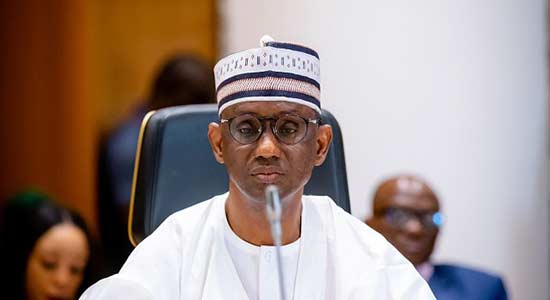
Abuja, Nigeria — The House of Representatives has summoned the National Security Adviser (NSA), Mallam Nuhu Ribadu, to appear before its ad hoc committee investigating the controversial Presidential Foreign Investment Promotion Council (PFIPC), amid growing concerns over how a body described by the Presidency as a non-existent government entity allegedly operated within government structures and secured official recognition.
The invitation to the NSA followed revelations during the ongoing parliamentary investigation that security agencies and government ministries had received information about the activities of the organisation before the controversy became public. Lawmakers want Mr. Ribadu to explain the actions taken by his office after concerns were reportedly raised over the activities of the purported council.
House Seeks Clarification from Security Authorities
Members of the committee said the appearance of the NSA was necessary to establish the extent of government awareness, intelligence response and possible institutional failures surrounding the PFIPC controversy.
The committee is also insisting that the Minister of Foreign Affairs, Ambassador Bianca Odumegwu-Ojukwu, personally appear before the panel following submissions from officials of the ministry concerning interactions with the organisation.
The Permanent Secretary of the Ministry of Foreign Affairs, Ambassador Dunoma Umar Ahmed, reportedly told lawmakers that the ministry did not recognise PFIPC as a government institution and that inquiries involving the Office of the National Security Adviser indicated that the person presenting himself as the organisation’s Director-General, Prince Adeniyi Adeyemi Matthew, was not known as a legitimate presidential appointee.
How the PFIPC Controversy Emerged
The controversy surrounding PFIPC began after questions were raised over how an organisation allegedly lacking legal establishment obtained government-related privileges, including claims of budgetary allocation, office space and institutional recognition.
The Presidency later stated that the body was fictitious and that it had no foundation in any law, presidential instrument or approved government process. President Bola Ahmed Tinubu subsequently directed the Independent Corrupt Practices and Other Related Offences Commission (ICPC) to investigate the matter and submit a report.
According to the Presidency, the investigation will examine allegations surrounding forged appointment documents, claims of presidential endorsement, attempts to secure recognition from government institutions and the opening of accounts allegedly linked to the purported agency.
Questions Over Budget, Office Space and Government Recognition
The PFIPC saga has generated public debate because reports indicated that the organisation allegedly gained access to structures normally reserved for recognised government institutions.
The House of Representatives had earlier commenced an investigation into allegations that more than ₦1.3 billion was included in the 2026 budget framework for the purported agency, describing the development as a serious concern requiring clarification on how such an entity entered the budget process.
Lawmakers are now seeking to determine whether the development resulted from administrative lapses, failures in verification processes, internal collaboration, or other factors within government systems.
MDAs Under Spotlight Over Failure to Appear
The committee has expressed concerns over the failure of some Ministries, Departments and Agencies (MDAs) to fully participate in the investigation process, warning that non-cooperation could undermine efforts to uncover the truth behind the controversy.
Lawmakers insist that all relevant institutions must provide documents, explanations and testimony to ensure transparency and accountability.
The investigation is expected to examine the roles of agencies involved in budgeting, public administration, foreign relations, security verification and government correspondence.
Credibility Challenge for Nigeria’s Investment Image
Beyond the immediate controversy, analysts say the PFIPC issue raises broader questions about institutional credibility, especially as Nigeria continues efforts to attract foreign investors.
Observers argue that allegations involving a purported investment promotion body gaining access to government structures could create concerns among international partners about administrative controls and governance transparency.
They stress that resolving the matter transparently will be important in protecting Nigeria’s reputation as a destination for foreign investment.
Government Promises Full Investigation
The Federal Government has maintained that appropriate authorities will investigate the matter and ensure that anyone found culpable faces the consequences.
As the House probe continues, Nigerians are watching closely for answers on how an entity described as non-existent by the Presidency was able to operate within official circles and what reforms will be introduced to prevent similar occurrences in the future.
#PFIPCProbe #NigeriaGovernance #HouseOfRepresentatives #NuhuRibadu #Accountability


