


AWC MARITIME DESK
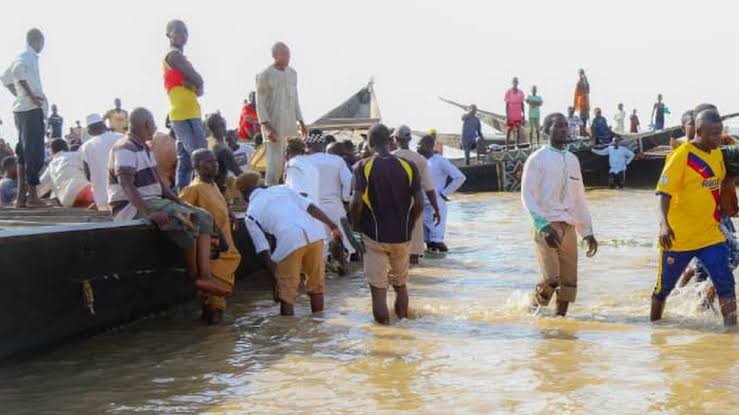
Ringim, Jigawa State — The tragic boat mishap in the Ringim area of Jigawa State, where reports indicate that more than 35 persons were feared dead after a passenger boat capsized, has once again brought national attention to the persistent safety challenges confronting Nigeria’s inland water transportation system.
Preliminary reports attributed the incident to overloading, poor enforcement of safety regulations and failure of passengers to use life jackets, raising serious questions about the effectiveness of regulatory institutions responsible for protecting lives on Nigeria’s waterways.
The disaster has renewed concerns over whether adequate preventive measures are being implemented by relevant government agencies, particularly the Nigerian National Inland Waterways Authority (NIWA), which has the statutory responsibility of regulating, developing and ensuring safety on Nigeria’s inland waterways.
A Disaster Waiting to Happen?
The Ringim tragedy mirrors a recurring pattern of boat accidents across Nigeria, where investigations often reveal similar causes — excessive passenger loads, absence of safety equipment, poor enforcement of operational standards, unregistered boats, inadequate passenger manifests and weak emergency response systems.
For many communities that rely heavily on water transportation, especially in riverine and rural areas, boats remain a major means of movement for accessing markets, schools, healthcare facilities and economic opportunities. However, the absence of strict safety compliance has continued to expose passengers to avoidable risks.
The question now being asked by transport stakeholders is: How many more lives must be lost before Nigeria’s inland waterways receive the same level of regulatory attention given to road and aviation transportation?
Where Is NIWA in Water Safety Enforcement?
The repeated occurrence of boat accidents has placed the spotlight on NIWA and other relevant agencies responsible for inland waterway safety.
Stakeholders are questioning whether NIWA is effectively carrying out some of its core responsibilities, including:
- Enforcing passenger capacity limits for commercial boats.
- Ensuring mandatory use of life jackets.
- Registering and inspecting boats operating on Nigerian waterways.
- Licensing boat operators and enforcing competency standards.
- Monitoring waterways and identifying dangerous operating practices.
- Ensuring jetties and landing points meet minimum safety requirements.
- Conducting regular safety awareness campaigns for boat operators and passengers.
Critics argue that safety regulations exist on paper but are often poorly enforced, allowing operators to continue practices that put passengers at risk.
Beyond Regulation: A Systemic Failure
While individual boat operators must take responsibility for negligence, experts argue that regulatory failure is also a major contributor to repeated disasters.
A properly functioning regulatory system should prevent unsafe operations before accidents occur, rather than responding after lives have been lost.
The continued operation of overloaded boats without adequate safety equipment suggests gaps in monitoring, enforcement and accountability.
Stakeholders believe that agencies responsible for inland water transportation must move from a reactive approach to a proactive safety management system.
Need for Stronger Safety Framework
Following the Jigawa tragedy, maritime and transport experts are calling for urgent reforms, including:
1. Mandatory Life Jacket Enforcement
Life jackets should not be treated as optional equipment. Boarding should be prohibited for passengers and operators who fail to comply.
2. Digital Passenger Monitoring
Passenger manifests and boat registration systems should be digitised to monitor movement and prevent overloading.
3. Regular Waterway Patrols
NIWA and relevant state agencies should increase surveillance of inland waterways, especially during periods of high passenger movement and adverse weather conditions.
4. Training and Certification of Boat Operators
Boat operators should undergo mandatory safety training, navigation certification and periodic competence assessments.
5. Improved Emergency Response
Rescue equipment, trained emergency personnel and rapid response systems should be available around major waterways.
A National Transportation Challenge
Nigeria has thousands of kilometres of rivers, creeks and waterways with enormous potential for economic development, tourism and transportation. However, without effective safety management, these waterways can become death traps for citizens who depend on them.
The Ringim tragedy is not merely another accident; it is a reminder of the urgent need for stronger institutional accountability in Nigeria’s inland water transportation sector.
As families mourn their loved ones, Nigerians are demanding answers: What preventive measures are being taken by NIWA and other authorities to ensure that another avoidable boat tragedy does not occur?
The time has come for inland water safety to move beyond statements of condolences after disasters and embrace a culture of prevention, enforcement and accountability.
#JigawaBoatTragedy
#NIWA
#WaterTransportSafety
#NigeriaTransport
#SafetyFirst


