

By Amah Alphonsus Amaonye, Director General, African Writers Centre, AWC
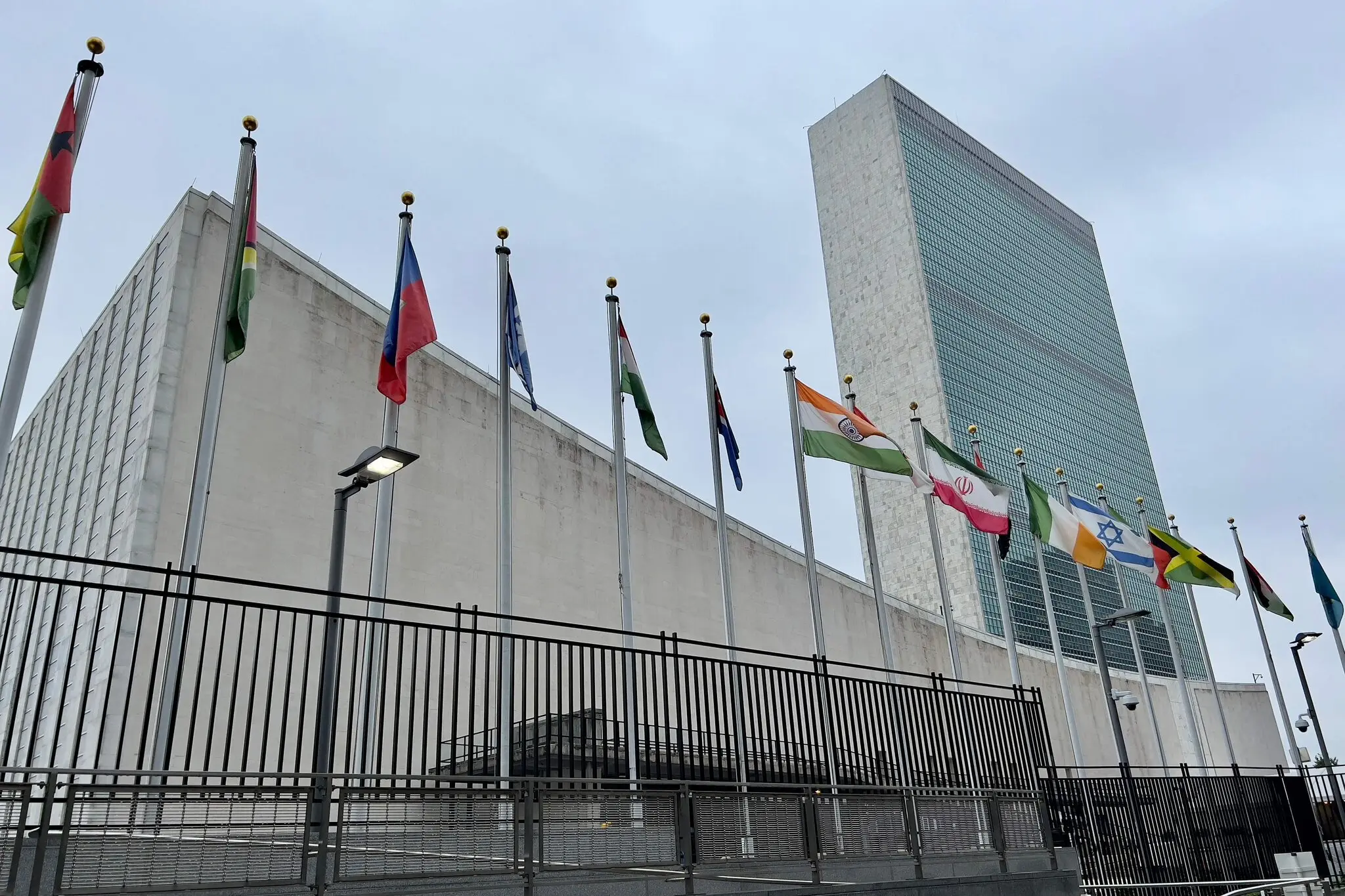
NEW YORK — The world’s political leadership is converging on United Nations Headquarters in New York for the high-level week of the 81st United Nations General Assembly, against a backdrop of wars, humanitarian emergencies, climate pressures, technological disruption and growing uncertainty over the future of international cooperation.
The General Debate begins on September 22, with nearly 130 Heads of State and Government expected to attend in person. The official theme for the session is “Restoring trust, managing transformation: A United Nations that delivers for all.”
UN Secretary-General António Guterres has urged world leaders to use the gathering to overcome divisions and find common ground on problems that increasingly cross national borders.
“Come together for peace, for dignity, for justice and for humanity,” Guterres said in his message ahead of the gathering, stressing that international cooperation remains essential to building a better world.
His appeal comes at a moment when the international system is under considerable pressure. The UN itself describes the current period as one of profound global uncertainty, while the organisation’s 81st-session programme places peace, climate change, development, pandemics, human rights and nuclear disarmament among the major issues requiring collective action.
A WORLD UNDER MULTIPLE PRESSURES
The New York gathering is taking place as governments confront several crises simultaneously.
Armed conflicts continue to generate enormous humanitarian consequences, while geopolitical rivalry between major powers is complicating efforts to achieve consensus on international security.
Climate change is another major focus. A high-level meeting on September 24 will specifically address the existential threats posed by rising sea levels, with the UN warning that coastal cities, river deltas and small island states face increasingly serious consequences from rising seas.
The Assembly will also hold a high-level meeting on pandemic prevention, preparedness and response on September 25, reflecting lessons from COVID-19 and the continuing concern that future health emergencies could again cross borders faster than governments can respond individually.
Another major question hovering over the gathering is the transformation being driven by artificial intelligence.
AI is reshaping economies, security, communications, employment and governance at extraordinary speed. The UN’s high-level week already includes discussions touching on AI governance, while governments are struggling to reconcile technological innovation with questions of safety, accountability and international rules.
THE CHALLENGE OF TRUST
Perhaps the most important word in this year’s UN theme is “trust.”
The international system depends on countries believing that agreements will be respected, institutions will function fairly and collective decisions will have meaning.
Yet mistrust between major powers, competing geopolitical interests and disagreements over the effectiveness of international institutions have made multilateral diplomacy increasingly difficult.
The new President of the 81st General Assembly, Khalilur Rahman of Bangladesh, has made restoration of public trust in the United Nations a central part of his agenda. He opened the new session by warning that the world has changed dramatically since the organisation was founded and that the institution must respond to contemporary realities.
The question confronting the leaders arriving in New York is therefore not simply what speeches they will deliver.
It is whether they can translate those speeches into negotiated commitments, practical cooperation and measurable action.
A TEST FOR MULTILATERALISM
The General Assembly remains the world’s most universal diplomatic forum. All 193 UN Member States have representation and an equal vote in the Assembly, providing a rare institutional space in which powerful and less powerful nations can participate in the same global conversation.
That universality gives the gathering enormous symbolic importance.
But symbolism alone cannot resolve wars, prevent pandemics, slow climate change, regulate emerging technologies or eliminate poverty.
The coming days will therefore test whether countries can move beyond national interests sufficiently to address challenges whose consequences no country can completely contain on its own.
From climate and health to artificial intelligence, peace and security, the issues before the Assembly demonstrate an increasingly interconnected reality: problems that begin in one part of the world can rapidly become problems for everyone.
For Guterres, the answer remains international cooperation.
For the world watching New York, the greater question is whether the leaders gathered there can find enough common ground to make that cooperation work.
AWC targets a follow-up towards a deeper analysis relating to “UNGA 81: Can the World Still Find Common Ground?” examining the major fault lines—war and peace, US-China rivalry, Russia-Ukraine, the Middle East, AI governance, climate change, nuclear weapons and the reform of the UN itself—without assuming that the Assembly will simply resolve them.
AFRICAN WRITERS CENTRE (AWC)
#UNGA81 #UnitedNations #GlobalCooperation #WorldLeaders #Guterres


