


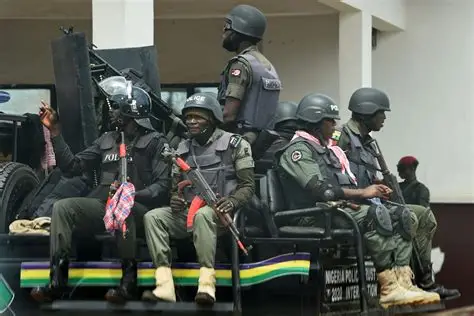
AWC SECURITY DESK
Kidnapping, Banditry and Counter-Operations in Nigeria
Introduction
The month of June 2026 recorded continued but fluctuating insecurity across Nigeria, driven mainly by kidnapping-for-ransom, banditry in the North-West/North-Central, and insurgency-related abductions in the North-East. While security forces recorded notable operational successes—including mass rescues and arrests—armed groups continued to demonstrate mobility, coordination, and access to rural and semi-urban communities.
Key developments included:
- Large-scale rescue operations in Borno State
- Ongoing school kidnappings and abductions
- Tactical gains by the Nigerian military in Kogi, Niger, Plateau, Zamfara and Borno
- Increased role of vigilantes and community-based intelligence networks
- Persistent threat of bandit resurgence and insurgent regrouping
Major Incident Patterns (June 2026)
North-East: Boko Haram / ISWAP-linked Abductions
The North-East remained the epicentre of insurgency-driven kidnappings.
- A major school attack in Borno State (Lassa/Askira-Uba axis) led to the abduction of dozens of students and teachers, with reports indicating over 30–40 victims initially taken.
- Subsequent military action led to the rescue of several victims, though many remained unaccounted for in the immediate aftermath.
- Earlier in the month, security operations also led to the rescue of over 300 hostages from Boko Haram captivity in Borno corridors, reflecting intensified military pressure in insurgent enclaves.
Assessment:
While military operations disrupted insurgent cells, Boko Haram/ISWAP continue to target schools, remote communities, and border settlements, maintaining pressure on civilian populations.
North-West: Banditry and Rural Kidnapping Networks
The North-West remained the most volatile zone for ransom-based kidnapping and armed banditry.
Key trends observed:
- Continued attacks in rural communities across Zamfara, Katsina, Kaduna and Niger corridors
- Kidnapping of villagers, traders, and travellers along highways
- Strong use of motorcycle-based mobility tactics
- Expansion of criminal influence into previously safer rural belts
According to security analysis reports, bandit groups remain:
- Highly fragmented but networked
- Financially driven through ransom payments and cattle rustling
- Increasingly adaptive to military pressure by shifting locations rapidly
Assessment:
Despite sustained military operations, bandits retain operational depth in forested and hard-to-reach areas, making eradication difficult without long-term intelligence penetration.
North-Central: Kidnapping Hotspots and Mixed Violence
States such as Niger, Plateau, Kogi, and parts of Benue recorded continued kidnapping incidents.
- In Kogi State, troops of the Nigerian Army rescued kidnapped victims during coordinated operations against armed groups, reflecting improved response times.
- Plateau and Niger States recorded multiple abductions of passengers, farmers, and commuters, often linked to forest-based criminal cells.
Assessment:
North-Central Nigeria remains a transit and convergence zone for both bandits and insurgent spillover groups, with increasing collaboration between criminal actors.
South-West and Southern Spillover
Although less intense than the North, kidnapping incidents continued to appear sporadically in:
- Oyo axis (school-related kidnappings reported in broader June security cycle)
- Lagos–Ogun border corridors (expressway-related abductions)
- Increasing concerns over urban-rural spillover of kidnapping networks
Assessment:
Kidnapping is no longer geographically isolated, as criminal networks increasingly exploit highways, forests, and weak inter-state coordination systems.
Government and Security Response
Military Operations
Across June 2026, coordinated operations under various theatres recorded:
- Rescue of abducted civilians (including mass rescue operations in Borno)
- Arrest of informants and logistics suppliers
- Disruption of kidnapping syndicates in Niger, Zamfara, and Plateau regions
- Repulsion of attacks on military positions
Community and Vigilante Participation
- Expansion of Civilian Joint Task Force (CJTF) activities in the North-East
- Increased reliance on local hunters and vigilante groups in rural North-West
- Community intelligence contributing to rescue operations
Intelligence-Led Policing
Security agencies have shifted toward:
- Targeted raids on hideouts
- Tracking of ransom networks
- Arrest of informants and collaborators
- Financial disruption of kidnapping logistics chains
Key Achievements in June 2026
- Large-scale rescue of abducted civilians in multiple theatres
- Disruption of kidnapping networks across North-Central states
- Arrest of informants aiding insurgent logistics
- Improved inter-agency coordination in military operations
- Increased survival rate of abducted victims in some operations
Major Challenges
Despite gains, several structural challenges persist:
Persistent Rural Vulnerability
- Vast ungoverned forest corridors remain operational bases for armed groups
Intelligence Gaps
- Informant networks still embedded within communities
Ransom Economy
- Kidnapping remains financially profitable, sustaining recruitment
Weak Border Control
- Cross-border movement of arms and fighters continues in the North-East and North-West
5.5 Slow Judicial Deterrence
- Limited fast-track prosecution of arrested suspects reduces deterrence effect
Security Outlook (July–September 2026)
Short-Term Projection
- Likely continuation of school-targeted kidnappings in North-East
- Increased highway abductions in North-Central
- Possible retaliatory attacks following military pressure
Medium-Term Projection
- Gradual improvement in rescue response capacity
- Expansion of forest-based counter-terror operations
- More reliance on technology-driven surveillance and intelligence mapping
Strategic Risk
Without sustained reforms, kidnapping networks may:
- Reconstitute in new locations
- Shift further southwards
- Strengthen ransom-based financing models
Conclusion
June 2026 reflects a dual-security reality in Nigeria:
- On one hand, significant operational successes and improved rescue outcomes
- On the other, persistent kidnapping networks adapting and evolving across regions
The overall trajectory suggests that while Nigeria’s security forces are gaining tactical ground, the crisis remains structural, economic, and intelligence-driven, requiring long-term investment in surveillance, governance, and rural stabilization.


