


AWC HEALTH DESK
WHO, Federal Government, UNICEF, WFP, Paediatric Association of Nigeria Develop New Framework to Improve Survival of Vulnerable Children
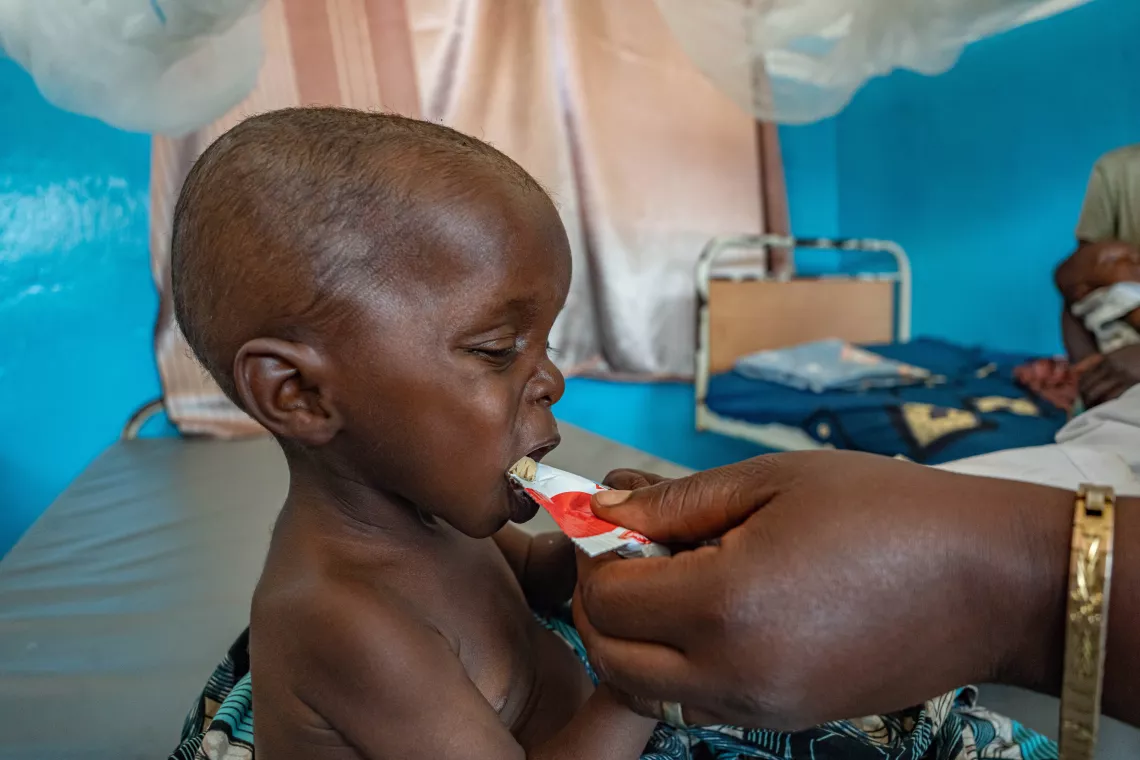
Nigeria has taken another major step towards reducing childhood deaths linked to severe acute malnutrition (SAM) as health experts and development partners collaborate to strengthen the country’s inpatient management of the condition.
The World Health Organisation (WHO) Nigeria, in partnership with the Federal Ministry of Health and Social Welfare, UNICEF, the World Food Programme (WFP), and the Paediatric Association of Nigeria, convened a technical workshop in Lagos from 20 to 25 July 2026 to review and update Nigeria’s National Guideline for Inpatient Management of Severe Acute Malnutrition.
The review is aimed at aligning Nigeria’s treatment approach with the latest WHO 2023 recommendations and improving the quality of lifesaving care provided to children suffering from complicated forms of malnutrition.
Severe acute malnutrition remains one of the most dangerous childhood health challenges, particularly among children under five years, because complications such as infections, dehydration, and weakened immunity can rapidly become life-threatening if not properly managed.
According to health experts, timely and appropriate inpatient care for children with complicated SAM can significantly improve survival outcomes, reducing mortality rates to below five per cent when treatment protocols are properly followed.
The Lagos workshop brought together nutrition specialists, paediatricians, policymakers, programme managers, and technical partners who examined existing treatment approaches and developed a zero draft of the revised national guideline.
The experts also produced eight revised training modules designed to strengthen the capacity of healthcare workers involved in the identification, treatment, and follow-up care of children affected by severe acute malnutrition.
The updated materials are expected to improve consistency in clinical practice, enhance healthcare workers’ skills, and ensure that children with complicated SAM receive evidence-based treatment across health facilities in Nigeria.
The initiative is supported by Irish Aid, reflecting continued international partnership towards addressing malnutrition and improving child survival outcomes in Nigeria.
Health stakeholders say the success of the revised guideline will depend largely on effective implementation, adequate funding, availability of essential nutrition supplies, and continuous training of frontline healthcare workers.
The intervention reinforces the growing recognition that tackling malnutrition requires a coordinated approach involving government institutions, health professionals, international partners, communities, and families.
With millions of children globally affected by malnutrition challenges, experts emphasise that every child suffering from severe acute malnutrition deserves early intervention, quality medical care, and the opportunity to survive and thrive.
#EndMalnutrition
#ChildHealth
#SAMNigeria
#WHONigeria
#IrishAid


