


… Need for a More Proactive Environmental Response
AWC PUBLIC AFFAIRS DESK
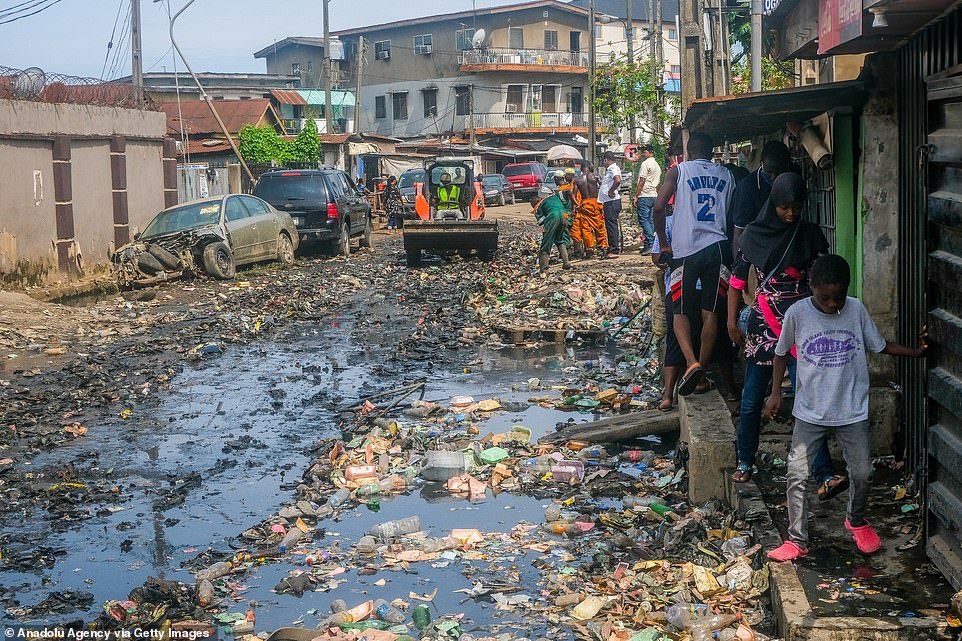
Lagos, Nigeria — The combined impact of persistent flooding and deteriorating road infrastructure is creating a fresh environmental challenge in Lagos, as waste evacuation operations across the state continue to suffer major setbacks, leading to growing heaps of refuse in many communities.
Findings indicate that several access roads leading to major waste dump sites have become flooded and virtually impassable, making it difficult for refuse trucks to gain entry and discharge collected waste.
As a result, waste evacuation trucks are reportedly forced to queue for several days before accessing the dump sites. In many instances, trucks remain stranded while awaiting their turn to dispose of refuse, significantly slowing down the entire waste collection chain across the state.
The consequence is increasingly visible across Lagos. Waste is piling up along roads, in markets, residential neighbourhoods, commercial districts and even around homes, raising growing concerns over environmental sanitation, public health and the possibility of disease outbreaks if the situation persists.
Residents in some affected areas have expressed concern over the unpleasant odour emanating from uncollected refuse, warning that prolonged delays in evacuation could worsen environmental conditions, particularly during the peak of the rainy season.
The Lagos State Government has continued to make efforts to mitigate the situation by deploying heavy-duty equipment, earth-moving machinery and support vehicles to assist waste evacuation trucks trapped on damaged and waterlogged roads. These interventions have helped move some trucks through difficult sections of the road network.
However, environmental observers note that while these emergency measures demonstrate government’s commitment, they are largely reactive and may not provide a sustainable solution to the underlying challenges.
Experts argue that the current situation underscores the urgent need for an integrated environmental management strategy that links road infrastructure, drainage systems, flood control and waste management into one coordinated framework.
With climate change contributing to increasingly intense rainfall events, they say Lagos can no longer afford to treat flooding, road maintenance and waste evacuation as separate issues. Rather, they must be addressed as interconnected components of urban planning.
Analysts also stress that ensuring all-weather access roads to waste disposal facilities should become a priority, as disruptions at dump sites have a direct impact on sanitation across the metropolis.
The situation highlights the importance of expanding and modernising waste disposal infrastructure, improving drainage around landfill and dump sites, rehabilitating critical access roads and strengthening flood mitigation systems to ensure uninterrupted waste evacuation throughout the year.
As Africa’s largest commercial hub continues to grow rapidly, stakeholders believe Lagos must invest more aggressively in climate-resilient infrastructure capable of supporting essential public services under extreme weather conditions.
The current waste management challenge serves as a reminder that the cost of delayed infrastructure investment often extends beyond damaged roads to include environmental degradation, public health risks, reduced economic productivity and declining quality of urban life.
For many residents, the expectation is not merely for emergency intervention whenever flooding occurs, but for long-term planning that prevents such crises from recurring.
A cleaner, healthier and more resilient Lagos, they argue, will depend on proactive governance that anticipates environmental challenges rather than responding only after they have escalated.
#LagosEnvironment #WasteManagement #FloodingCrisis #ClimateResilience #UrbanInfrastructure #EnvironmentalSustainability #CleanLagos #SmartCityNigeria


