


AWC CURRENT AFFAIRS DESK, AUGUST 2026
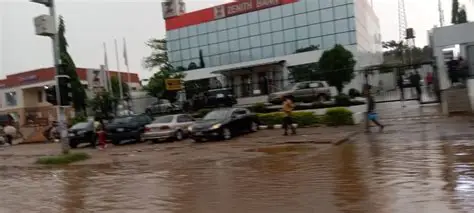
The recent flooding witnessed in parts of the Federal Capital Territory (FCT), Abuja, has once again exposed the growing vulnerability of Nigeria’s capital city to extreme weather events and poor urban environmental management.
More than three months ago, the African Writers Centre (AWC) Research Unit warned that the continued removal of natural vegetation, encroachment into wetlands and uncontrolled construction across Abuja’s green areas could significantly increase flood risks.
That warning was not a prophecy.
It was a geographical projection based on environmental data, urban expansion patterns, drainage capacity, land-use changes and available research on flood vulnerability.
Today, the reality confronting Abuja residents is a reminder that nature often responds to how human beings alter the environment.
The Nigerian Meteorological Agency (NiMet) had also repeatedly warned that increased rainfall intensity, saturated soil conditions, poor drainage systems and vulnerable low-lying locations could trigger flash flooding in many parts of the country, including urban centres.
When Wetlands Disappear, Flood Risks Increase
Abuja was originally designed as a planned city with protected green areas, drainage corridors, vegetation belts and environmentally sensitive zones that helped regulate water movement.
However, increasing pressure from urban expansion has led to the transformation of several natural drainage paths and vegetation areas into residential, commercial and institutional developments.
Wetlands are not empty spaces waiting for buildings. They serve as natural water storage systems, absorbing excess rainfall and reducing pressure on drainage networks.
When these areas are removed, rainwater that would naturally infiltrate the soil is forced onto roads, communities and built-up areas.
FCT Administration Must Strengthen Enforcement
The FCT Minister, Nyesom Wike, faces a major responsibility in protecting Abuja’s environmental master plan and ensuring that development does not come at the expense of ecological security.
The administration must intensify monitoring of:
- encroachment into wetlands and flood plains;
- illegal construction along natural waterways;
- destruction of vegetation belts;
- approval of structures without adequate drainage assessment.
Urban development is necessary, but it must follow the principles of sustainable city planning.
A modern capital city cannot continue to expand by weakening the very environmental systems that protect it.
Flooding Is Now an Urban Planning Emergency
The Abuja flooding challenge is no longer just a seasonal rainfall issue.
It is increasingly becoming a question of land-use management, environmental protection and infrastructure planning.
A city can build more roads, bridges and houses, but if natural drainage systems are destroyed, the consequences will eventually appear.
The current flooding should therefore serve as a wake-up call for policymakers, planners, developers and residents.
The choice before Abuja is clear:
Protect the environment today, or pay the price through recurring floods tomorrow.
The African Writers Centre warning was not about predicting disaster.
It was about reading the signs before the disaster arrived.
#AbujaFloods #UrbanPlanning #ClimateResilience #FCT #EnvironmentalProtection


