


AWC Transport Desk
If governance were a road trip, Nigeria’s yuletide travellers would have arrived—exhausted, sleepless, and furious—only to be told at dawn: “Contractors have been ordered to clear the road.”
Yes, the Federal Ministry of Works’ directive to contractors to clear federal highways for smooth Christmas travel sounds noble. It even wears the fine robe of the Renewed Hope Agenda.
But for thousands of Nigerians currently sleeping inside buses, trailers and fuel tankers somewhere between Lokoja, Benin Bypass and the Lagos–South-East corridor, this announcement feels like first aid administered after burial arrangements.
Policy by Rear-View Mirror
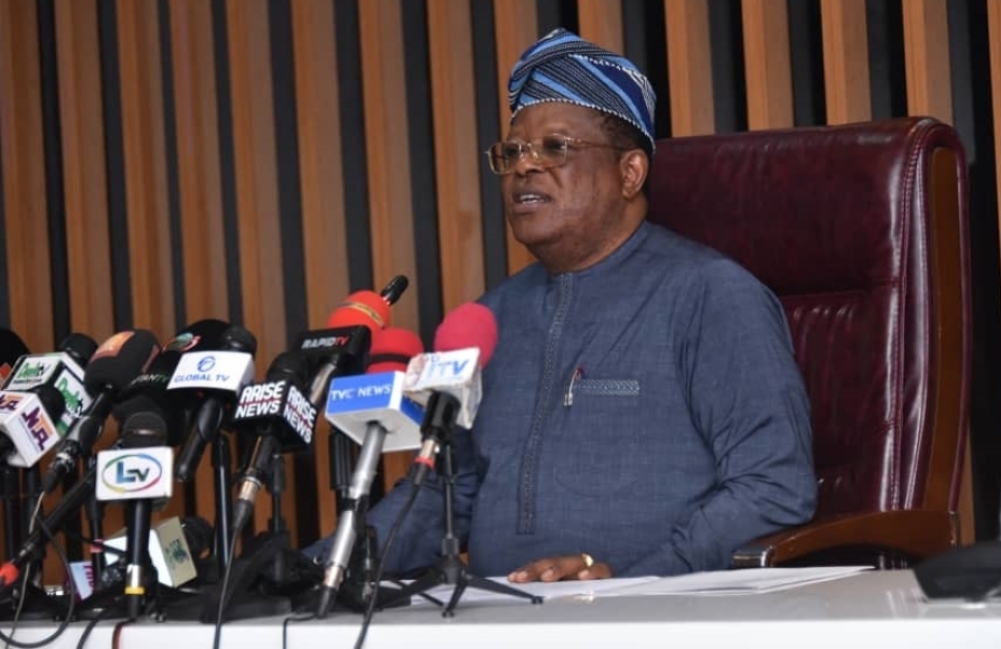
Minister Engr. David Umahi’s instruction, though well-worded, arrived when the damage had already clocked overtime. The Abuja–Lokoja axis has been bad not since yesterday, not since last week, but for years. Same story at Benin Bypass—a legendary chokepoint where Christmas joy routinely turns into New Year frustration.
A proactive minister would have anticipated yuletide pressure, knowing fully well that December in Nigeria is not just a month—it is a national migration season. But instead, action came when:
- Travellers were already stranded
- Engines were overheating
- Tempers were flaring
- Children were crying
- And Christmas rice was cooling in villages
As the elders would say, “the head is already off.”
Contractors to the Rescue… or to the Chaos?
Ordering contractors to mobilise now is like asking road workers to bring shovels into a traffic jam. Any serious construction or clearing effort at this stage risks compounding the nightmare, not curing it.
What travellers need now is not asphalt sermons, but order, discipline and control:
- Strict traffic management to stop reckless lane-switching
- Rapid evacuation of broken-down vehicles
- Tow trucks, not press statements
- Visible, 24-hour security to prevent chaos, robbery, kidnapping and panic
Umahi Allowing Gridlocks Instead of Renewed Hope?
This episode raises an uncomfortable question: Is Renewed Hope reactive or preventive? Because hope that arrives after three nights on the road feels less like policy—and more like satire.
The irony is painful. Federal Ministry of Works knew the roads were bad. The Minister knew December was coming, and that Nigerians would travel. Yet the response came after the suffering went viral.
A Friendly Reminder
Minister Umahi still has a chance—if not to save this Christmas, then at least to learn from it. Infrastructure is not just about concrete and contracts; it is about timing, anticipation and empathy.
For now, stranded Nigerians will remember this yuletide not for carols and chicken, but for traffic jams, hunger and sleepless nights—while contractors warm up their engines in January.


