


Following the declaration of Operation Savannah Shield, troops of the Nigerian Army have arrived Kwara Community after the deadly Kaiama attack.
President Bola Ahmed Tinubu has condemned in strong terms the deadly attack on the villagers in Worro community, Kaiama Local Government Area of Kwara State, describing the assault as “cowardly and beastly” and a grave affront to Nigeria’s shared values and humanity.
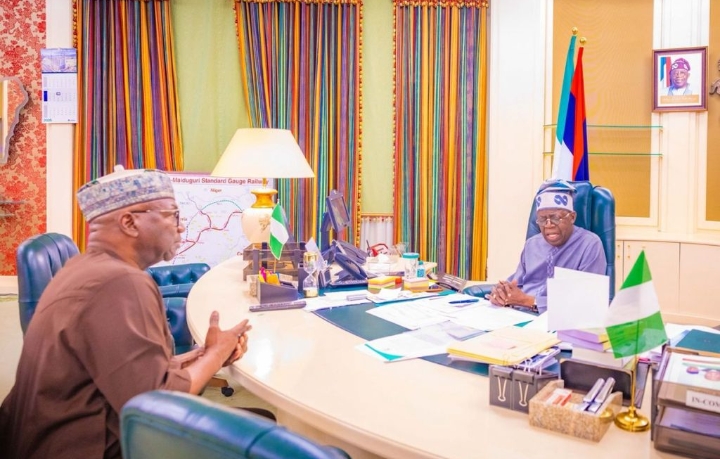
The President disclosed that he met on Thursday with the Executive Governor of Kwara State, Abdulrahman Abdulrazaq, to receive a detailed briefing on the incident. Following the attack, Tinubu ordered the immediate deployment of an Army battalion to Kaiama LGA to restore security and protect vulnerable communities.
According to the President, the newly deployed troops will spearhead Operation Savannah Shield, a military initiative aimed at neutralising the attackers, preventing further violence, and securing affected areas.
“It is particularly disturbing that the victims were killed because they rejected an attempt at forced indoctrination,” Tinubu said, noting that community members resisted being conscripted into an extremist ideology that promotes violence over peace and dialogue. He stressed that Nigeria would never surrender its people to extremism and terrorism masquerading as faith.
The President further directed enhanced collaboration between federal and state security and humanitarian agencies to provide immediate relief and support to the affected community, while ensuring that those responsible for the attack are tracked down and brought to justice.
“They will not go scot-free,” he assured, adding that the government remains resolute in its commitment to defeating terrorism across the country.
Tinubu offered prayers for the victims and extended condolences to bereaved families, as well as to the people and government of Kwara State. He reaffirmed the Federal Government’s solidarity with the state, pledging continued efforts to safeguard communities, defend national values, and prevent attempts to divide the country through terror.


