


AWC FOREIGN AFFAIRS DESK
May, 2026 – Russia announced a temporary ceasefire in its ongoing war on Ukraine, a move linked largely to Moscow’s annual Victory Day commemorations marking the Soviet Union’s victory over Nazi Germany during World War II.
Russian President Vladimir Putin declared the ceasefire as part of efforts to reduce hostilities during the sensitive national celebrations held every May 9 in Russia.
Duration of the Ceasefire
According to multiple international reports, the ceasefire is expected to last for three days, beginning on May 9 and running through May 11, 2026.
Earlier Russian announcements had initially suggested a shorter May 8–9 pause, but later diplomatic engagements involving the United States reportedly expanded the arrangement into a broader three-day truce.
The agreement also includes a major prisoner exchange involving about 1,000 prisoners from each side.
Why Russia Declared the Ceasefire
Analysts say several strategic and political factors influenced Moscow’s decision:
1. Victory Day Security Concerns
One of the biggest reasons appears tied to Russia’s annual Victory Day military parade in Moscow, one of the country’s most symbolic national events.
Recent Ukrainian drone strikes deep inside Russian territory reportedly heightened fears of possible disruptions during the celebrations. Reports indicated attacks on oil facilities, airports, air-traffic systems and strategic infrastructure in several Russian regions ahead of the parade.
Security analysts believe the Kremlin sought a temporary reduction in hostilities to protect the parade and avoid embarrassment during a globally televised national event.
2. Diplomatic Pressure and U.S. Mediation
Reports also indicate that the ceasefire followed diplomatic pressure and mediation efforts involving U.S. President Donald Trump, who reportedly appealed directly to both Russia and Ukraine to observe a temporary truce.
Trump described the truce as a possible “beginning of the end” of the war.
3. Humanitarian and Political Calculations
The ceasefire also appears aimed at creating room for humanitarian measures, prisoner exchanges and renewed diplomatic engagement after more than four years of devastating conflict.
Russian officials have increasingly signaled openness to future negotiations, with Putin recently stating that he believes the war may be “coming to an end.”
Accusations of Violations
Despite the ceasefire announcement, both Russia and Ukraine have accused each other of violating the truce through drone attacks, artillery strikes and limited military operations.
However, observers note that the level of violence during the ceasefire period appeared significantly lower than usual compared to previous months of the conflict.
Background to the War
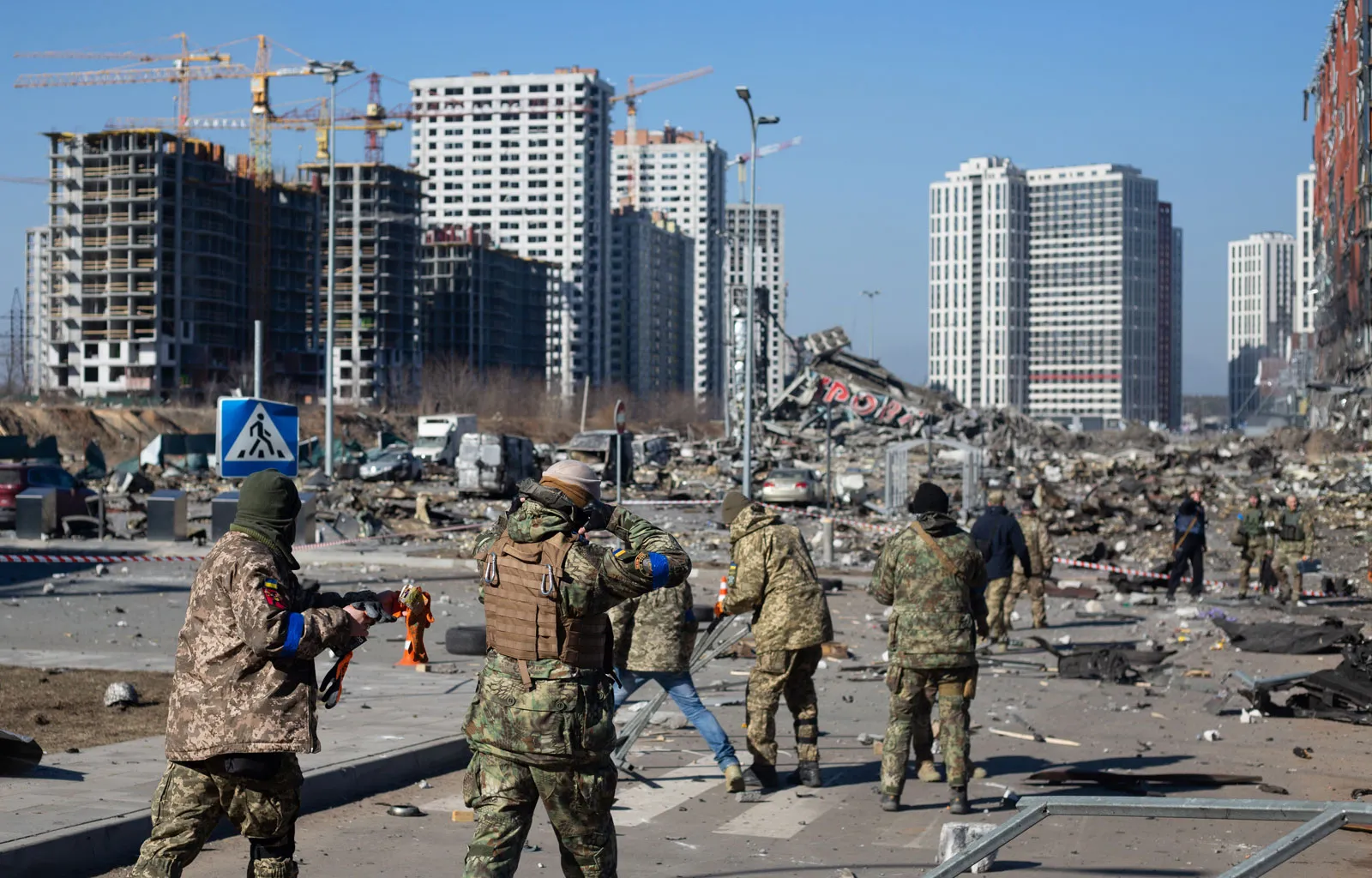
The Russia-Ukraine conflict escalated dramatically in February 2022 when Russia launched a full-scale invasion of Ukraine. Since then, the war has caused hundreds of thousands of military and civilian casualties, massive destruction of infrastructure and one of Europe’s largest refugee crises since World War II.
Several previous ceasefire attempts — including Easter truces and humanitarian pauses — have largely collapsed due to mutual distrust and continued battlefield operations.
The current May 2026 ceasefire is therefore viewed more as a temporary tactical pause rather than a comprehensive peace settlement.


