


AWC Transport Desk
Major step has been taken toward sustainable aviation operations with the launch of zero-emission electric transit services at the Nnamdi Azikiwe International Airport, Abuja, marking a shift toward cleaner energy and reduced carbon footprint in Nigeria’s airport ecosystem.
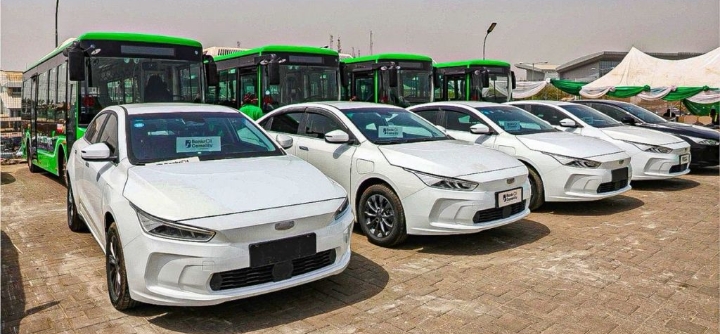
The initiative, implemented by the Federal Airports Authority of Nigeria (FAAN) in partnership with Possible Electric Mobility and Zeut Energies, introduces electric buses and sedans to serve passenger and staff movement within the airport precincts.
Speaking at the launch, FAAN Board Chairman, Dr. Abdullahi Ganduje, commended President Bola Ahmed Tinubu for prioritising climate-conscious infrastructure under his administration. He also praised the Minister of Aviation and Aerospace Development, Barr. Festus Keyamo, SAN, and FAAN Managing Director/CEO, Mrs. Olubunmi Kuku, for driving policies that align airport operations with global sustainability standards.
Mrs. Kuku said the deployment of electric vehicles is part of FAAN’s broader green transition agenda aimed at cutting emissions, lowering operating costs, and improving environmental performance across Nigerian airports. She highlighted ongoing initiatives such as energy-efficient lighting systems, solar power installations, and structured waste recycling programmes, all designed to promote long-term sustainability.
Officials at the event conducted an inspection of the newly deployed electric buses and sedans, underscoring the government’s resolve to integrate renewable energy solutions into critical national infrastructure.
From a public and performance perspective, stakeholders say the move positions Nigeria’s aviation sector on a forward-looking path, improving environmental compliance, enhancing operational efficiency, and reinforcing the country’s commitment to climate-friendly transport solutions.
The Abuja airport rollout is expected to serve as a pilot for similar green mobility projects across other airports nationwide, as the Federal Government intensifies efforts to modernise aviation while responding to global climate imperatives.


