


AWC Diplomatic Desk
The United States and Nigeria have formally launched a high-level Joint Working Group aimed at addressing religious freedom concerns and curbing violence against vulnerable communities, following Nigeria’s designation as a Country of Particular Concern (CPC) under the U.S. International Religious Freedom Act.
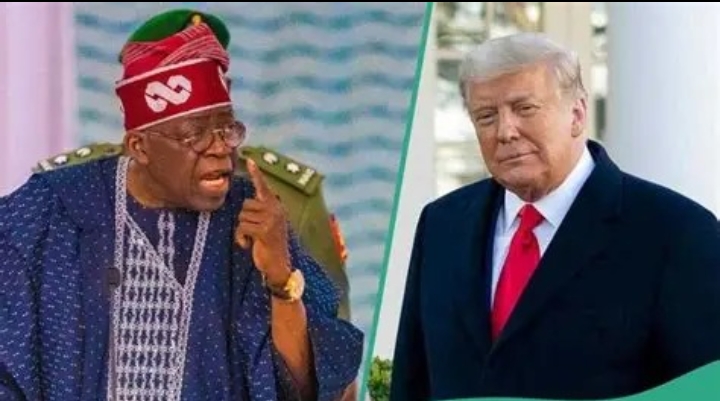
The first session of the U.S.–Nigeria Joint Working Group was held in Abuja on Thursday, January 22, 2026, bringing together senior officials from both governments in what marks a significant diplomatic and security engagement between the two countries. The Working Group was established in response to the CPC designation issued by U.S. President Donald J. Trump, with a clear mandate to reduce violence against civilians—particularly Christian communities—and to strengthen conditions for the free and safe practice of religion across Nigeria.
Nigeria’s delegation was led by the National Security Adviser, Mallam Nuhu Ribadu, and included representatives from ten ministries and government agencies, underscoring the breadth of Nigeria’s institutional response. The U.S. delegation was headed by Under Secretary of State Allison Hooker, with officials drawn from eight federal agencies.
According to the joint statement issued at the end of the session, discussions focused on deepening U.S.–Nigeria cooperation to improve religious freedom outcomes and enhance national security. Both sides reaffirmed their shared commitment to pluralism, the rule of law, and respect for sovereignty, while acknowledging the scale and complexity of Nigeria’s security challenges.
The U.S. delegation welcomed Nigeria’s recent realignment of security resources, particularly in the North Central states, where attacks on vulnerable communities have drawn international concern. Both governments emphasized the protection of civilians—especially at-risk Christian populations—and the need to ensure accountability for perpetrators of violence.
The meeting also reinforced commitments to expand counter-terrorism cooperation, including joint operational efforts, access to technology, anti-money laundering measures, countering the financing of terrorism, and strengthening law enforcement and investigative capacity.
U.S. officials commended Nigeria for what they described as urgent steps taken to enhance security for Christian communities and Nigerians of all faiths affected by terrorism, banditry, and criminal militias.
The two sides agreed that sustained, coordinated action would be required to translate commitments into measurable improvements on the ground. It was further agreed that the next session of the Joint Working Group will be held in the United States at a mutually agreed date through diplomatic channels.
The Abuja meeting signals a new phase of structured engagement between Washington and Abuja on religious freedom and security, placing Nigeria’s internal stability and the protection of fundamental rights at the center of bilateral cooperation.